Table of Content
Now you, your family, or guests can access your entire smart home all in one place. Relay keeps you aware of what's going on by playing convenient notification sounds. You can even sync up multiple units to take advantage of its intercom functionality . Professional installation by a qualified electrician is recommended. If you are unsure if your light switch is compatible with Relay, visit pro.wink to get help from a professional electrician. Relay keeps you aware of what’s going on by playing convenient notification sounds.
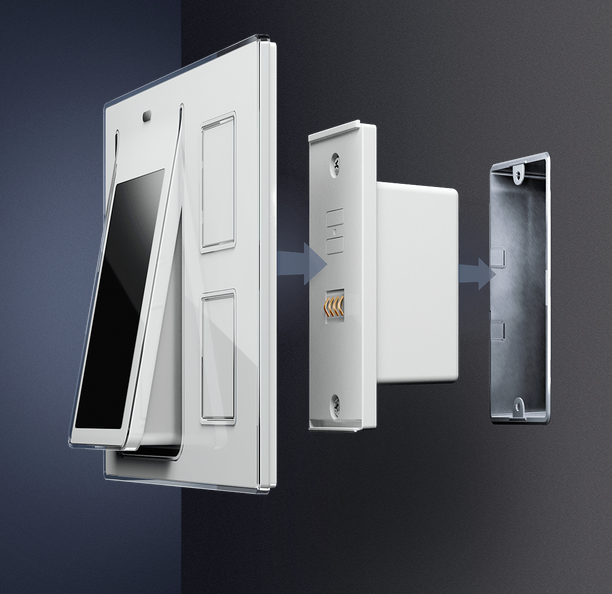
Finally, you snap on the touchscreen portion of the Relay, along with a filler plate on the back to provide further support against any open socket behind it. An electrical contact transfers power between the wired piece and the touchscreen plate. The buttons to the side of the Relay control the attached light loads. Alternatively, the Relay can be used in ‘Smart Mode’ where each button can be programmed individually to control a smart light or smart product. These buttons also have the ability to control Wink Shortcuts, allowing you to control many different products from a single button.
Securities Business Control Manager- VP (m/f/d) - Frankfurt / Luxembourg
It looks easy to use, and I like the idea of centralizing a smart home control scheme. My reservations come from the fact that too many Quirky/Wink products have shown up for review lacking software polish. If I'm going to go to the trouble of hardwiring the $300 Relay into my wall, it has to be near-flawless.

Interactions with certain devices are, for various reasons, limited. It's also hard to stomach the $300 asking price when the microphone and speaker don't do much yet. Lights, window treatments, thermostats… Now you, your family, and guests can access your entire smart home all in one place. Put Relay in the room you use most, sync up multiple units, or use the mobile app when you’re away. Get instant access to your connected home on a touchscreen that’s tailored to you.
Financial Analyst and Planning (f/m/x) financial area Frankfurt / Remote - #202Q0111
Wink provides some basic instruction in its small paper manual, but what it doesn't spell out explicitly is that wiring must include a neutral wire in addition to the line and load wires. The manual instead instructs you to call Wink's help line if you don't have a neutral wire, which seems to leave open the possibility of a workaround. Talking with a Wink support tech revealed only that the neutral wire is indeed required. The built-in speaker and microphone don't do anything right now, and both the Wink app and the Relay's own control options are overly simplistic.
You can mount the Relay in a single or double switch box, and two mechanical buttons on the Relay panel can act as replacements for the light switches you're taking out. The also provide the added bonus of bringing the lights connected to those switches online. For a not-insignificant $300, the Wink Relay will bring controls for all your Wink network-compatible smart home products to a single, hard-wired touchscreen mounted on your wall. This isn't novel to home automation, even old systems from the 1980s had in-wall control screens. The Wink Relay is just one of the first for this new era of the off-the-shelf, generally mobile device-dependent, smart home.
Cooking With Calphalon Nonstick 8 Piece Cookware Set
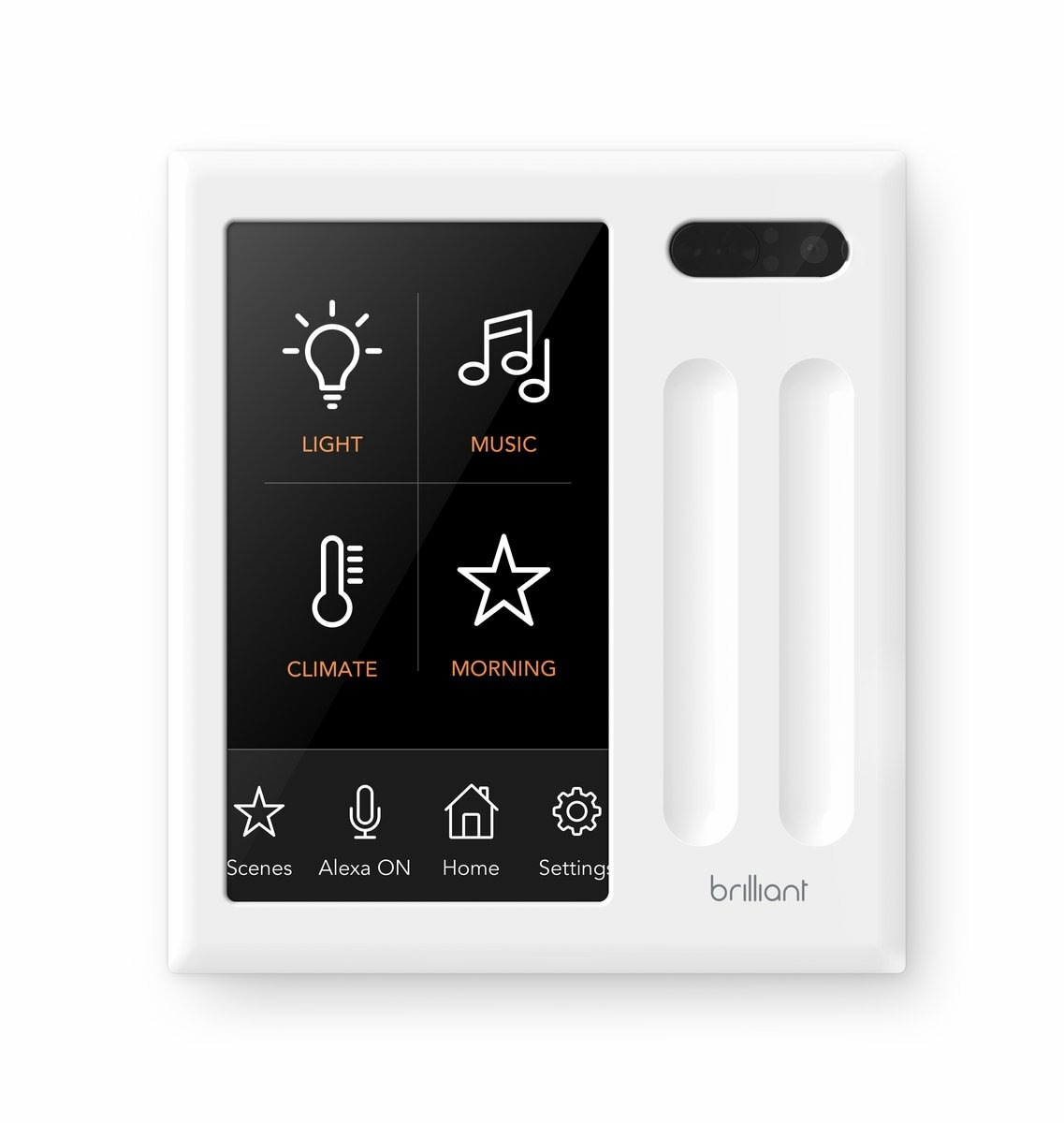
Relay is a wall-mountable touchscreen controller that runs the Wink app, giving you instant access to your smart products. Manage lights, locks, appliances, and more all from a central location. This beautifully designed command center is fully loaded with temperature, humidity, and proximity sensors, plus two smart light switches; it’s like an entire smart home on your wall. Why might you want an in-wall switch to control your network of smart home devices?

It's hard not to feel like Wink and its parent company Quirky pushed the Relay out to market to hit a pre-Holiday 2014 release date. The potential is there for the Relay to become a robust smart home control center. The likelihood of something better coming along in the next six months is simply too great. Wink says all of these limitations are mandated by the device makers. Those limits could change over time, and Wink also says similar devices from its own product line and those from other manufacturers will have expanded capabilities. Still, the fact remains that if you buy Relay , you won't be able to control some smart home devices with it as well as you might expect or want.
Relay will need to be installed into a location that has lighting controls only. This is due to the power box in Relay being designed to control lighting and not larger appliances that may be plugged into an outlet. Relay requires a neutral wire connection, so you must connect the neutral wires from your gang box to the neutral wires in the Relay power box using the included push-in connectors. Philips Hue lights won't let you put multiple lights in a group on Wink right now. That means, annoyingly, you have to control any Hue lights on your Relay or in the Wink app individually.
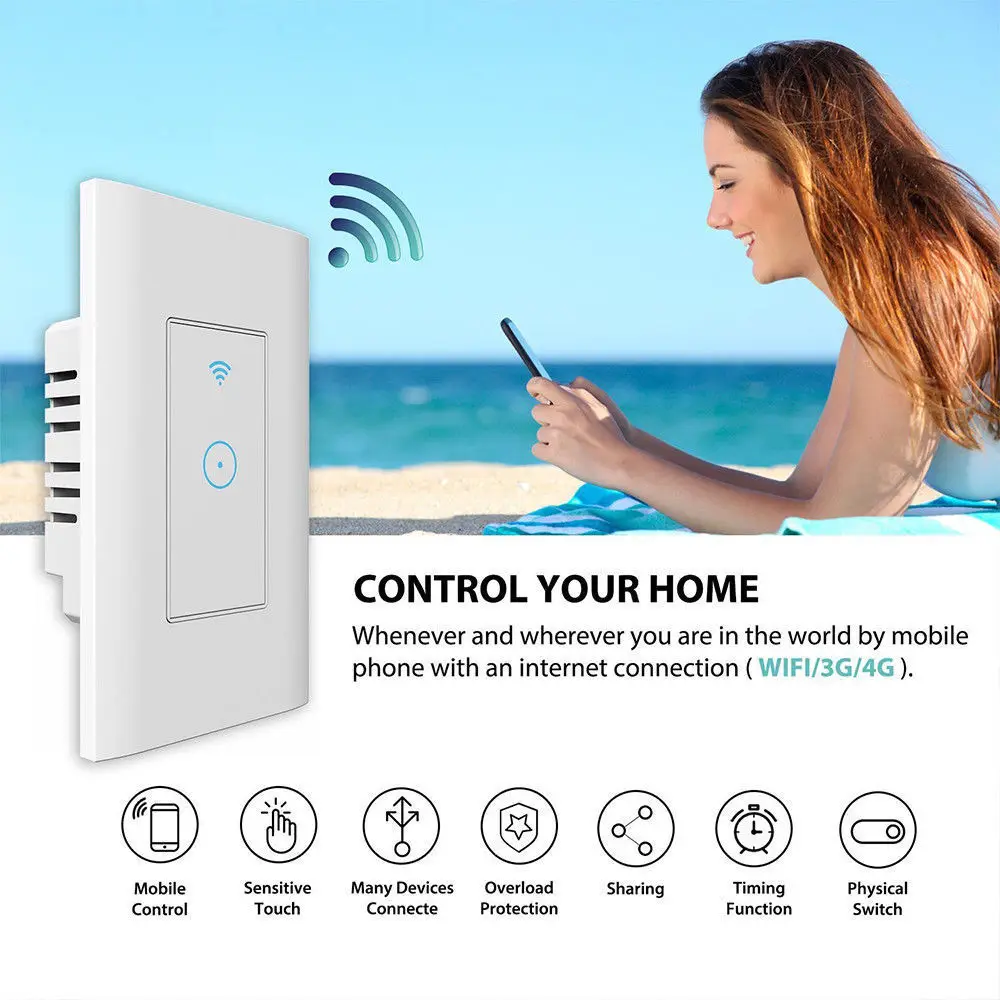
In a household with multiple users, it's easy to step on each other's settings if each person is trying to drive the various connected locks and thermostats from their own mobile device. Just as bad, all it takes is a flick of a standard rocker light switch to disable your smart light programming. The Relay is essentially comprised of two parts, a 4.3-inch Android-based multitouch screen, and a set of programmable mechanical switches.
One problem with Relay is that by putting controls in one place, anyone in your home can interact with the smart devices you have installed. A lack of customization options means you don't get enough say over what appears on the Relay's screen. Relay runs the Wink app so you can connect to and interact with smart products in the Wink app universe.
You also can't adjust simple things on the screen like brightness, or the order in which the various control icons appear. The only real setting you can change on the Relay itself is whether it comes on based on your proximity, or via a tap on the screen. It also doesn't live up to its full potential out of the box.
Select the microphone icon on the screen and your message will be broadcasted to the other Relays throughout your home. The last piece that hurts the Wink's value proposition right now is that it ships with a microphone and a speaker that don't currently do anything. Wink says eventually they'll let you use multiple Relays as an intercom system in your house. You can also imagine sound-based triggers coming into play, as well as voice commands. You can still interact with those devices remotely via their own apps, but it makes the Relay feel too much like a dumb screen that you don't get more granular control over it.
That might soon be hugely important to the smart home. Anticipation is building aroundApple's HomeKit smart home API for iOS 8, particularly because of its tie-in with Apple's Siri voice recognition system. Worthington was cagey when I asked whether the Relay's Android-based design would leave Wink customers using the iOS version of the app feeling left out. "It's going to be an exciting fourth quarter," is all he would say. If it works as advertised, the Wink Relay in-wall control panel might just deliver the convenience and ease of use we've been hoping to see in the DIY connected home.